


Why You Need a Budget (Even If You Think You Don't)
Most people avoid budgeting because they think it means cutting back or complicated spreadsheets. That's not what this is. A budget is just a plan for your money — knowing where it comes from and where it goes. It's the difference between feeling in control and wondering why you're always short at the end of the month.
In Ireland, where costs vary wildly between Dublin and smaller towns, between rent and groceries, having a proper budget saves you hundreds. We've seen it with families who've used this exact method. They don't earn more, but they stress less and save more.
What You'll Learn Here
- How to calculate your actual take-home pay
- The simplest way to track expenses (no fancy app required)
- Setting realistic spending limits by category
- Adjusting your budget when life changes
- Common mistakes Irish households make (and how to avoid them)
Step 1: Know Your Real Income
This is where most budgets fail — people use gross salary instead of what actually hits their account.
Your salary letter says €45,000? That's not what you budget with. You need your net pay — what's left after tax, PRSI, and pension contributions. It's usually 30-40% less depending on your income bracket.
Grab your last payslip. Look at the net amount that actually transferred to your bank account. That's your starting number. If you're self-employed, use your average monthly income from the last year, accounting for slower months.
For couples, add both incomes together. For families with variable income (seasonal work, freelance gigs), take the lowest three months and divide by three. This sounds pessimistic, but it's realistic — you can always spend less than you budgeted for.
Pro tip:
Include any regular payments you receive — child benefit,
working family payment, rental income. These count as income.

Step 2: List Your Fixed Expenses
These are the costs that stay the same every month. They're the easiest to track because they don't surprise you.

Fixed expenses are your rent or mortgage, utilities, insurance, phone bill, loan repayments — anything that costs roughly the same amount every month. These aren't negotiable in the short term, so they go at the top of your budget.
Write them down or open a spreadsheet. Include:
- Rent or mortgage
- Council tax / property tax
- Utilities (gas, electricity, water)
- Broadband and mobile
- Insurance (home, car, health)
- Loan or credit card repayments
- Subscriptions (streaming, gym, apps)
- Childcare or school fees (if applicable)
Add them up. Be honest — if you sometimes pay extra for heating in winter, add a bit extra for those months. This total is your baseline. Everything else comes from what's left.
Related Articles


Step 3: Budget for Variable Expenses
These change every month. Groceries, fuel, dining out, shopping. They're where most people overspend without realizing it.
Variable expenses are trickier because they're not the same every month. You can't predict exactly how much you'll spend on groceries or petrol. But you can estimate based on what you've spent before.
Look at your bank statements from the last three months. How much did you actually spend on groceries? Fuel? Dining out? Clothes? Add these up and divide by three to get your monthly average. That's your realistic budget for each category.
Why this matters: Most people budget €100 for groceries when they actually spend €150. Then they blame themselves for failing. Use real numbers from your own life, not what you think you should spend.
Common variable categories for Irish households:
- Groceries and food
- Fuel (petrol, diesel, or public transport)
- Dining out and takeaways
- Clothing and shoes
- Personal care (haircuts, toiletries)
- Entertainment and hobbies
- Gifts and celebrations
- Home maintenance and repairs
- Car maintenance (tyres, servicing)
- Kids' activities and pocket money

Important Note
This guide is for educational purposes to help you understand household budgeting basics. Personal financial situations vary greatly depending on income, location, family size, and individual circumstances. The techniques and figures mentioned here are examples only and may not apply directly to your situation. For specific financial advice about your personal budget or investment decisions, consult with a qualified financial advisor or accountant familiar with Irish tax and financial regulations.
Step 4: Does It Balance?
Now you've got three numbers: income, fixed expenses, and variable expenses. It's time to see if they add up.
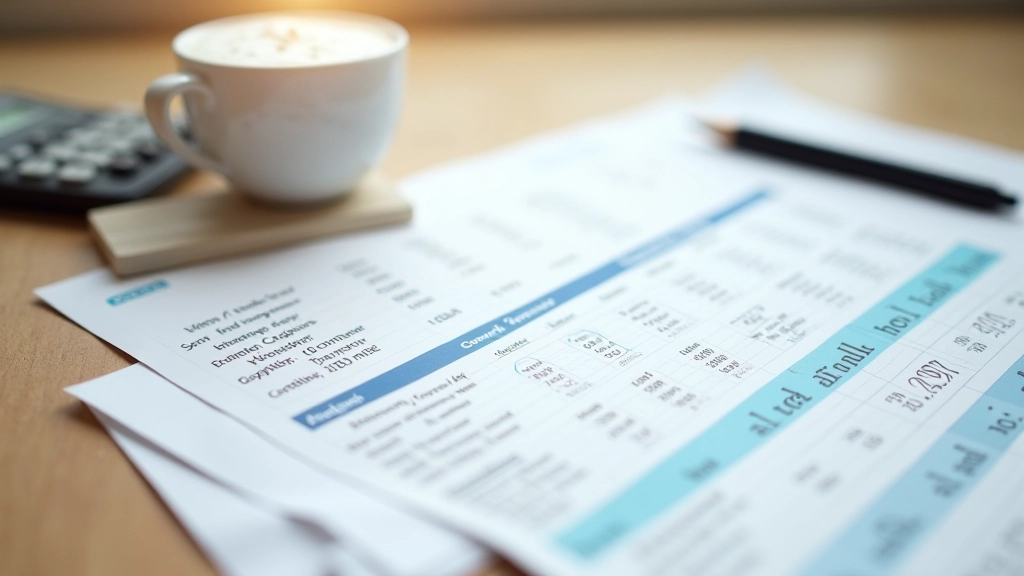
Add your fixed and variable expenses. Subtract the total from your income. If you've got money left over, you're in a good position. That leftover money goes to savings, emergency funds, or debt repayment.
If your expenses equal or exceed your income, you've got a problem to solve. This is actually useful information — it tells you exactly where the issue is. You can't fix something you don't measure.
At this point, you've got three options: increase income, reduce expenses, or both. Most people find they can cut 5-10% from variable expenses without major lifestyle changes. Cancelling unused subscriptions, reducing takeaway frequency, or switching to cheaper insurance often does it.
This is your working budget. It's not perfect — no budget is — but it's real and it's based on your actual money, not wishful thinking. Keep it somewhere you'll see it regularly. Review it monthly. Adjust it when life changes.

Start Small, Build Momentum
You don't need an app, a spreadsheet template, or fancy budgeting software. Paper and a pen work fine. What matters is that you've got a realistic picture of your money — where it comes from, where it goes, and whether you've got any left over.
Most people who get to this point notice something interesting. Even without cutting back, just knowing your numbers reduces stress. You're no longer guessing. You've got a plan.
Set this up this weekend. Spend 30 minutes on it. Then live with it for a month. Adjust what doesn't work. In two months, you'll wonder how you ever managed money without a budget.