

How to Build Your First Monthly Budget in Ireland
A straightforward method to track income and expenses. Works for single earners, couples, and families. Start here if you're new to budgeting.
Read Guide
Breaking down household spending into meaningful categories. Discover where your money really goes and take control of your budget.
Most people spend money without really knowing where it goes. You earn a salary, pay bills, buy groceries, and suddenly the month's over. But what if you actually knew the breakdown? What if you could see exactly what percentage of your income goes to housing versus food versus entertainment?
That's where expense categorization comes in. It's not about restricting yourself or feeling guilty about spending. It's about clarity. When you know the real numbers, you can make better decisions. You'll spot where you're overspending without even realizing it. You'll see opportunities to redirect money toward things that matter to you — whether that's a holiday, a savings cushion, or paying down debt.
You don't need dozens of categories. In fact, that'll just overwhelm you. We're talking about 6-8 main buckets that cover nearly all household spending. Let's break them down:
Rent or mortgage, property tax, insurance, maintenance. This is usually the biggest expense — typically 25-35% of income for most Irish households.
Electricity, gas, water, broadband, phone. Bundle these together unless one's particularly high. Most families spend €150-250 monthly here.
Weekly shopping, farmers markets, that occasional takeaway. Separate from dining out if you want detail. Family of four typically spends €600-900 monthly.
Car payment, petrol, insurance, public transport passes, or cycling maintenance. Dublin and Cork residents often have higher transport costs.


Beyond the essentials, you'll want to track these too:
If you've got kids, this is significant. Crèche fees, school uniforms, tutoring. Dublin families often spend €800-1,500 monthly on childcare alone. This deserves its own line.
GP visits, prescriptions, dental, gym membership, haircuts. You'll notice patterns here — seasonal expenses like eye tests come up regularly.
Restaurants, pubs, cinema, streaming services. This category often surprises people. Tracking it separately shows exactly how much you're spending on experiences versus essentials.
Credit cards, loans, overdraft interest. Keep this separate so you can see what's going toward actual debt versus living expenses.
Treat savings like an expense category. When you "pay yourself first," you're more likely to actually save. Even €50 monthly adds up.
This guide is for educational purposes to help you understand household budgeting principles. Expense tracking methods vary based on personal circumstances. Always consult your own financial situation and consider seeking advice from qualified financial advisors for personalized recommendations. Bank security and data privacy should be your priority when tracking expenses digitally.
A straightforward method to track income and expenses. Works for single earners, couples, and families. Start here if you're new to budgeting.
Read Guide
How to define realistic savings goals for your household. Whether you're saving for emergencies, education, or a house deposit.
Read Guide
Urban living expenses differ significantly from rural areas. Discover practical strategies for managing costs in Ireland's biggest cities.
Read GuideNow you've got your categories. But knowing them and actually tracking them are different things. Here's what works:
Grab a spreadsheet. Create columns for each category. At the end of each week, log your spending. It takes 10 minutes. Sounds tedious, but it works because you're forced to think about every purchase. You'll notice patterns quickly — like how often you're buying coffee or grabbing lunch instead of bringing it.
Most Irish banks now offer categorization in their apps. AIB, Bank of Ireland, and Revolut all do this automatically. You can see your spending broken down by category in real-time. The app does the work for you. Honestly, this is the easiest route if your bank supports it.
Old school but effective. Withdraw cash and divide it into envelopes for each category. When the envelope's empty, you've hit your limit. Forces discipline. Works brilliantly for discretionary spending like entertainment and dining out.
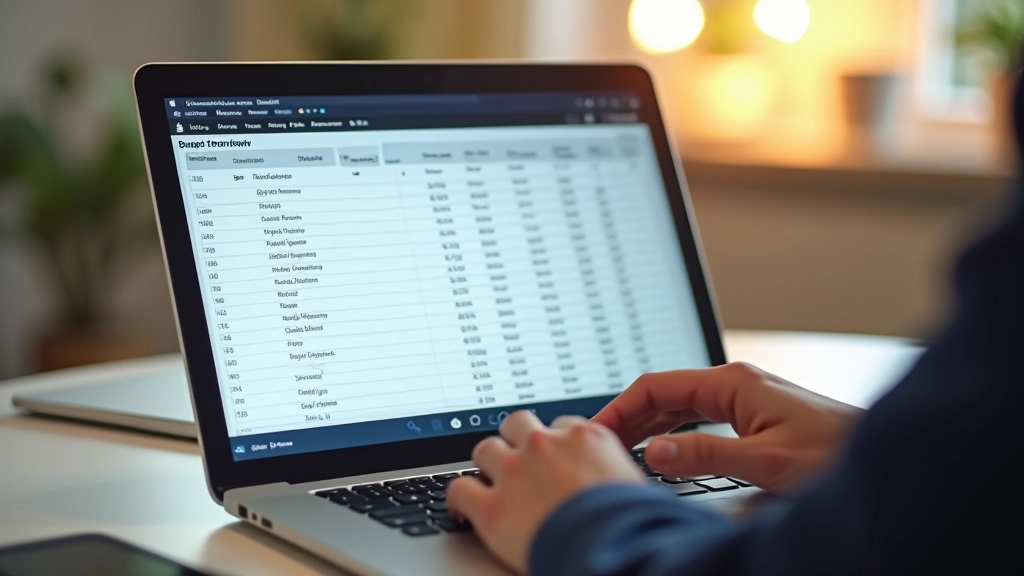

You don't need a perfect system. You need a starting point. Here's what to do this week:
List your categories. Pick the 6-8 that matter to you. Write them down. Seriously, just a piece of paper is fine.
Gather last month's bank statements. Download them from your app or log into online banking. You'll need 4 weeks of data minimum.
Go through every transaction. Assign each one to a category. Yes, every single one. It'll take an hour. You'll learn more in that hour than you have in months of spending without thinking.
Add up each category. See the totals. This is the moment it hits you. You'll see where the money actually goes — not where you thought it went.
That's it. You've now got a real picture of your spending. Next month, you'll do this again and spot changes. You'll see if you're actually cutting back or if those good intentions didn't stick.
Expense categorization isn't about perfection. You don't need color-coded spreadsheets or fancy software. You need clarity. And clarity comes from knowing where your money goes.
The first month is the hardest. You'll probably find it tedious. But stick with it for just four weeks. By week five, you'll notice something: you'll naturally think about spending differently. You'll know what's reasonable for groceries because you've seen the numbers. You'll catch yourself about to spend money and actually pause.
That's the real power of categorization. It's not about cutting everything. It's about making conscious choices. About knowing that if you want to spend €200 on nights out, you're doing it intentionally — not waking up at month's end wondering where it all went.