

Managing Costs in High-Demand Cities: Dublin and Cork Strategies
Urban living expenses differ significantly from rural areas. Discover practical cost-management techniques specific to Dublin, Cork, and other busy Irish centres.

Why City Living Costs More
Living in Dublin or Cork isn't cheap. Rent, transport, groceries, and dining out all cost more in urban centres compared to smaller towns or rural areas. That's just the reality. But here's the good news — higher costs don't mean you're powerless. You're actually in the best position to manage expenses because city life offers more options, more flexibility, and more opportunities to find savings if you know where to look.
The key is understanding where your money goes and making deliberate choices about what matters most to you. We've seen families cut their monthly expenses by €300-500 without feeling deprived. They didn't move house or change jobs. They just got smarter about the decisions they made every day.
Transport: Your Biggest Monthly Opportunity
Transport costs in Dublin and Cork are significant. A monthly bus pass runs about €90, but if you're driving, you're looking at petrol, insurance, parking, and maintenance. A car in Dublin city can cost €150-250 per month just in parking alone.
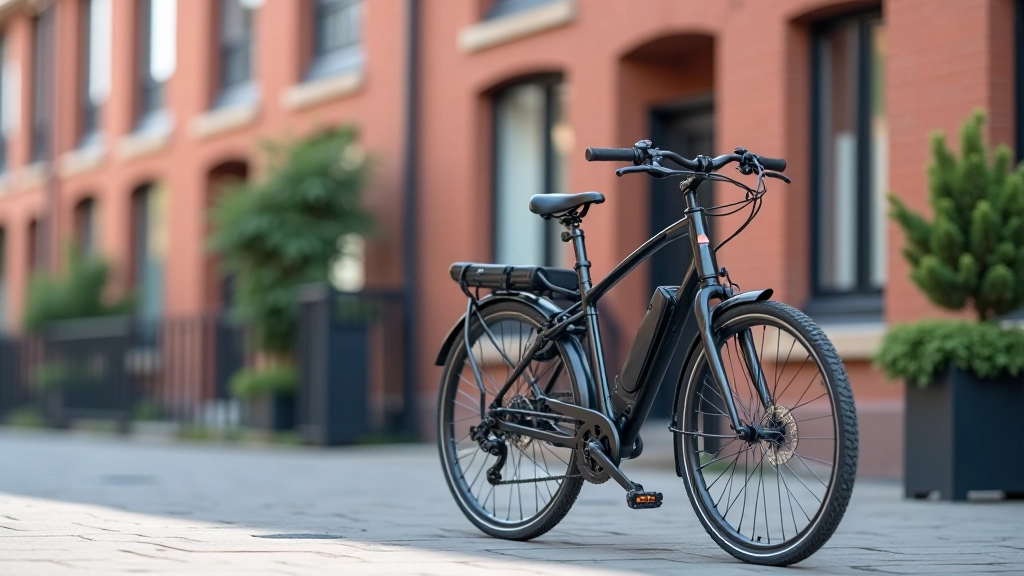
Here's what we've seen work: Combine public transport with cycling or walking for shorter trips. You'll need a decent lock (€40-80 upfront) and a light for winter months. But you're cutting transport costs to maybe €50 per month plus occasional bus trips. That's €400+ in annual savings, and you're getting exercise as a bonus.
If you drive, consider car-sharing apps for occasional trips instead of daily commuting. Or negotiate one day working from home to cut your weekly commute by 20%. Small changes add up.

Groceries: Where Small Decisions Compound
A family of four spending €120 per week on groceries in Dublin will spend €6,240 annually. Switch to discount supermarkets like Lidl or Aldi for basics, and you'll drop that to €90-100 per week. That's €1,200-1,560 back in your pocket every year.
The trick isn't eating badly — it's being strategic. Buy branded items only when they're on promotion. Stock up on shelf-stable basics. Shop with a list and don't browse. Meal planning takes maybe 20 minutes per week but it prevents impulse purchases and food waste.
One more thing: meal prep on Sunday for lunches. A homemade lunch costs €2-3, while buying a sandwich in Dublin costs €6-8. That's €15-25 per week, or €780-1,300 annually.
Quick Wins: First Month Actions
- Switch to Lidl or Aldi for 70% of your shopping
- Get a 30-day public transport pass instead of daily tickets
- Audit your subscriptions — streaming services, gym memberships, apps
- Meal prep lunches 2-3 times per week
- Use comparison sites for energy bills — savings of €200-300 annually
Related Articles

Housing: The Biggest Line Item
Rent in Dublin averages €1,400-1,800 per month for a one-bedroom apartment. That's roughly 40-50% of a typical household income. In Cork, it's slightly better at €900-1,200, but still significant.
You can't magic away rent, but you can make smart decisions. Consider a housemate or two if you're single. Two-bedroom apartments rent for only slightly more than one-bedroom, so sharing cuts your housing cost nearly in half. Yes, it means less privacy, but it's temporary and the financial benefit is real.
Alternatively, look beyond trendy neighbourhoods. Ballymun or Tallaght in Dublin, or areas slightly outside Cork city centre, rent for €200-400 less per month. If you're working in the city, a 20-minute commute is worth the saving.

Important Note
This article provides educational information about cost management strategies in Irish cities. It's not financial advice tailored to your personal circumstances. Your situation — income, family size, existing commitments — is unique. We recommend reviewing these strategies with your own circumstances in mind or consulting with a financial advisor if you need personalized guidance. Costs and availability of services mentioned here change over time, so verify current prices in your area.

The Bottom Line
Managing costs in Dublin or Cork doesn't mean sacrificing quality of life. It means being intentional about your spending and finding the areas where you can make the biggest impact. Transport and groceries are your biggest opportunities — tackle those first, and you'll free up €400-600 monthly without major lifestyle changes.
Start with one change this week. Try the discount supermarket or commit to cycling two days. Small wins build momentum. After a month of deliberate choices, you'll notice the difference in your account balance and your stress levels. That's when it gets easier.
Urban living will always cost more than rural life, but you're choosing cities for good reasons — job opportunities, cultural activities, social connections. Make that choice work financially by spending smartly on the basics and protecting the money for what actually matters to you.